Listening to 1.2 million trip reports, kindly and skeptically
Trip reports are messy, wonderful and full of heart. Here's how we learn from them without trusting any single one too much.

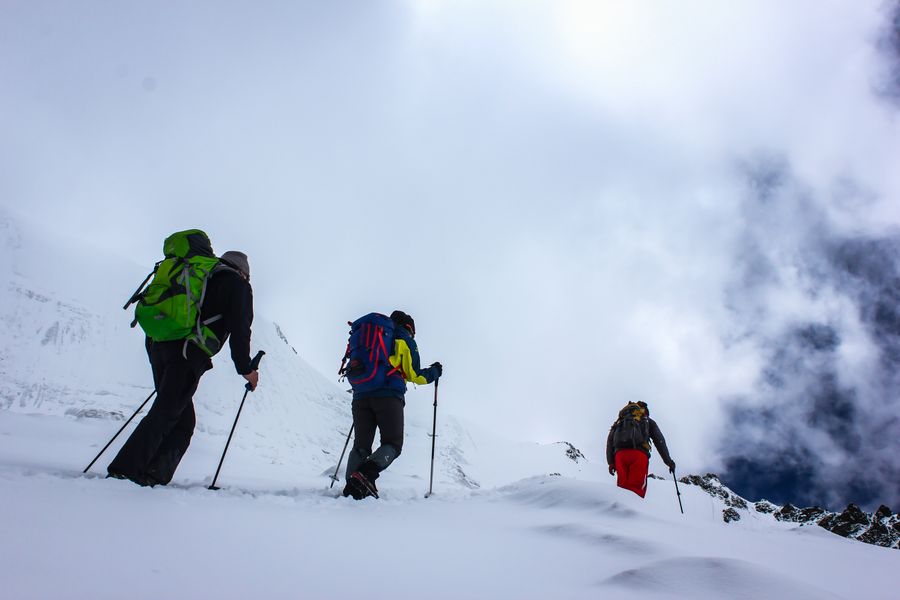
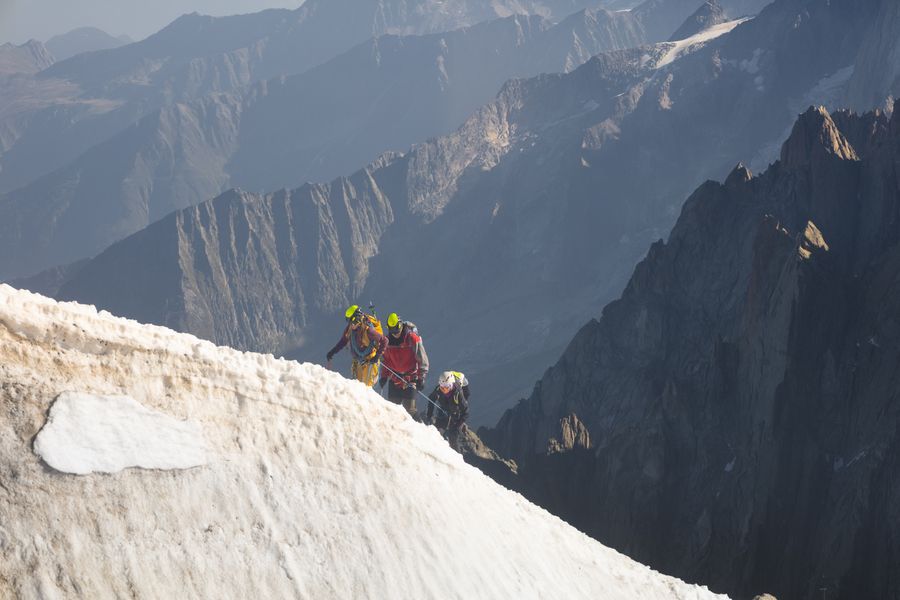
I love trip reports. The breathless ones, the grumpy ones, the ones that are mostly photos of sandwiches. People who climb a route and write about it are the best sensors the mountains have.
They're also, lovingly, unreliable. They skip details, remember dates wrong, call things harder or easier than they were, and almost never write about the day they turned around.
Finding what is true
We treat each report as one small clue. Diorite only tells you about a condition, like a melted-out gully or a washed-out trail, when several independent people agree, or when one report matches what satellites and sensors see.
1.2M
Reports read
38k
Routes covered
3+
Agreeing sources before we say anything
The days nobody writes about
Reports lean toward good days. If we only read summit stories, every route would look easier than it is. So we give extra weight to turnaround reports, and we gently ask our members to log the days they bailed. Those are some of the most valuable entries we get.
Every condition in a brief links back to the reports behind it, so you can read them yourself and make your own call.

Written by
Leo Brandt
Head of Data. Maintains our 1.2M trip-report pipeline. Bikepacker.