Three forecasts, one saddle, and the night that started all of this
A storm on the Grand Teton that three forecasts couldn't agree on taught us that the most important thing a mountain partner can do is admit when it's unsure.
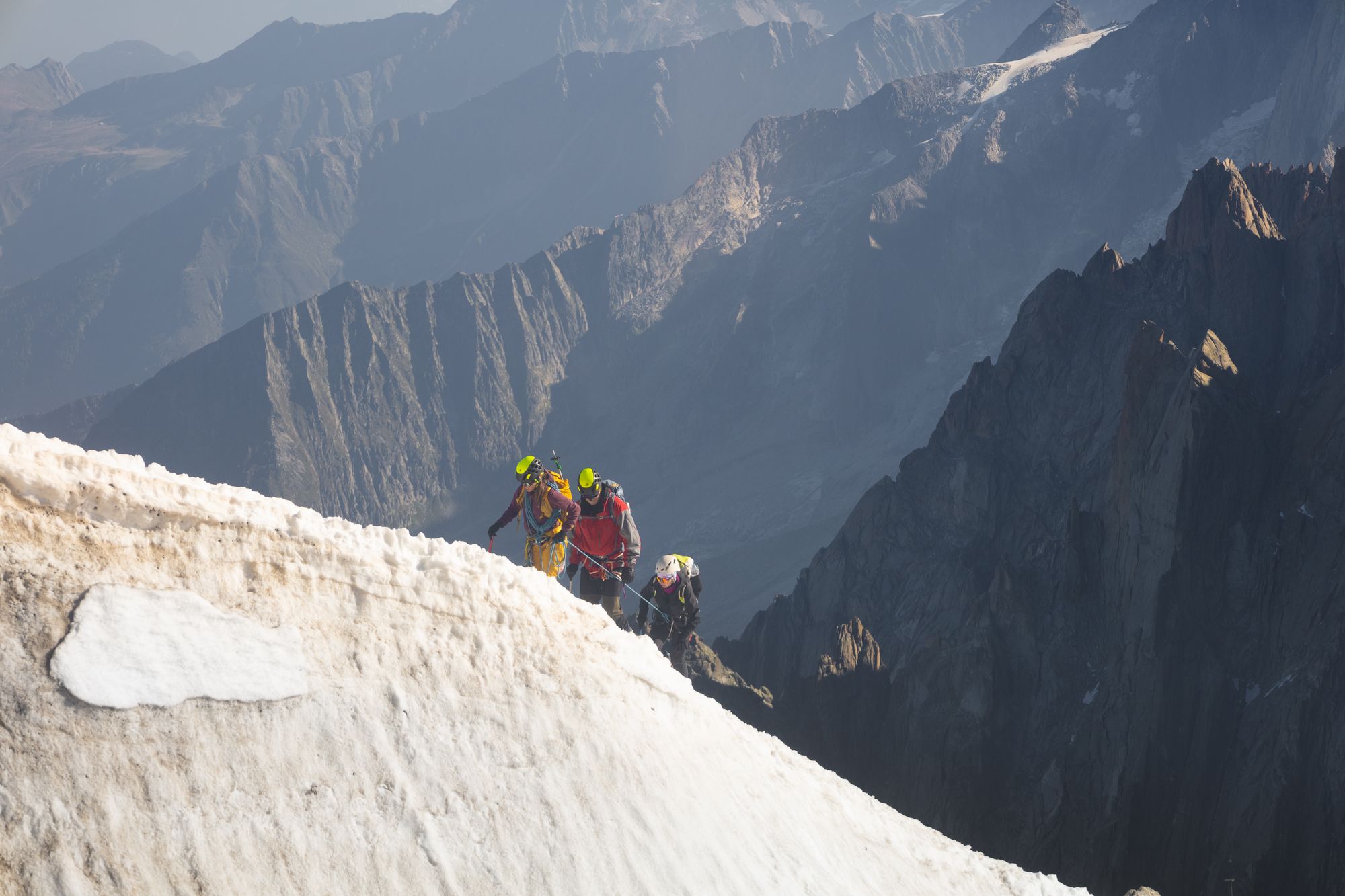
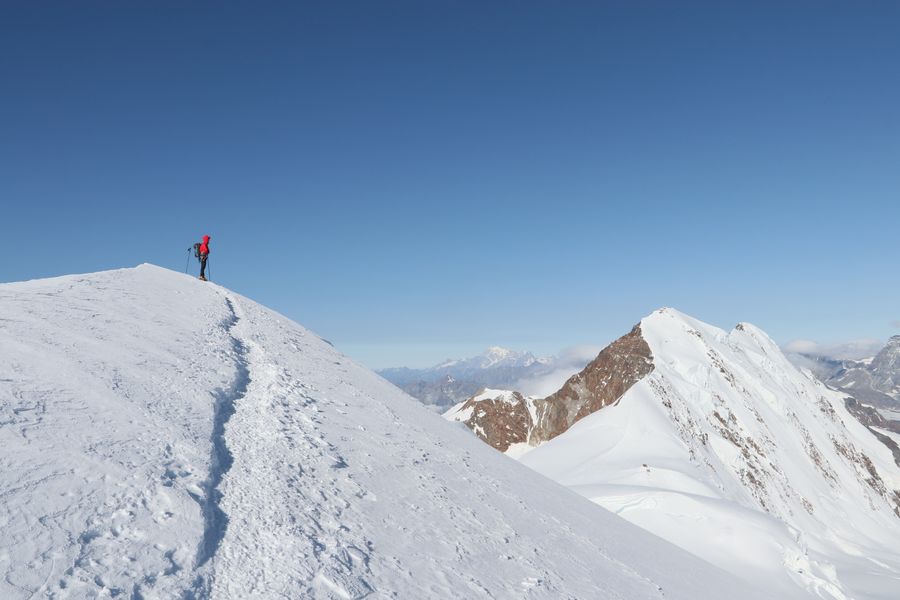
At 2:40 in the morning on the Lower Saddle of the Grand Teton, the wind changed pitch. If you've spent enough nights in a tent up high, you know the sound. A low, steady roar that turns into gusts you can feel through the floor.
John and I had checked three forecasts before leaving Lupine Meadows. One said clear until noon. One said storm cells building by ten. The third offered a 40 percent chance of thunderstorms and nothing else to say about it.
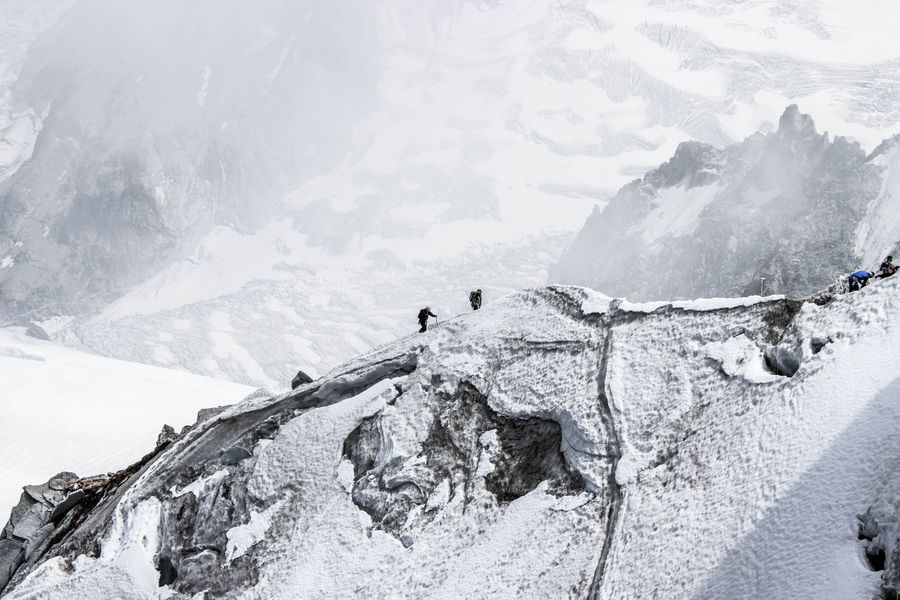
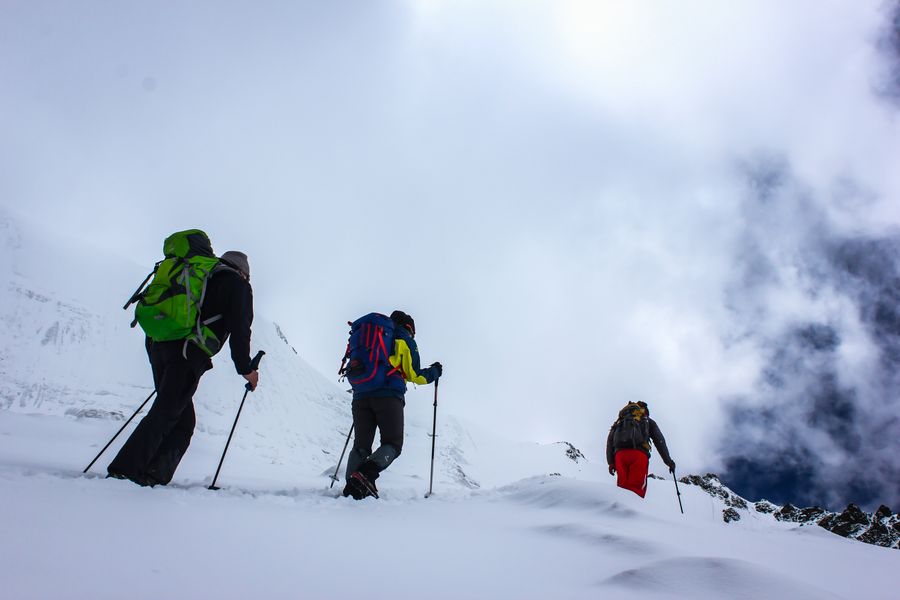
We did what most of us do. We averaged them in our heads, picked the one we liked best, and went to bed early. By dawn the summit was inside a cloud and the rock was running with water. We turned around at the Upper Saddle and spent four wet hours getting back to camp. Nobody got hurt. But the conversation we had in that tent, eating cold noodles, became Diorite.
Averaging isn't reasoning
None of those forecasts was wrong, exactly. Each was a fair reading of the sky from a different model. The trouble was that we had no idea why they disagreed, and so no way to know which disagreement mattered for a long, exposed ridge.
A good guide doesn't average. A good guide notices the upper winds backing, remembers that the Tetons build afternoon storms faster than the valley forecast suggests, and gives you an answer with an honest 'how sure I am' attached. That last bit is what most apps quietly leave out.
The most dangerous forecast is the one that sounds certain. The mountain doesn't care how confident your app is.
What we mean by "honest"
When Diorite says it's 70 percent confident a weather window will hold, we want that to be true about 70 percent of the time. Not 90. Not 50. It sounds simple, and it's surprisingly rare. Most forecasts are tuned to feel decisive, because decisive feels good. Ours is tuned to be truthful, and we publish how we're doing.
1.2M
Trip reports used to check outcomes
5
Weather models compared per brief
0.04
Calibration error, summer 2026
Showing you the argument
The feature I'm proudest of is also the least flashy. When the models disagree, Diorite tells you, in plain words, and explains which one it trusts more for your objective. Sometimes the honest answer is 'nobody knows,' and the right plan is an earlier alarm and a firm turnaround time.
- A confidence level on every window, never a bare yes or no
- Disagreement between models shown in plain language, with the reason
- A suggested turnaround time when confidence is low
- A fresh brief when the forecast shifts after you have planned
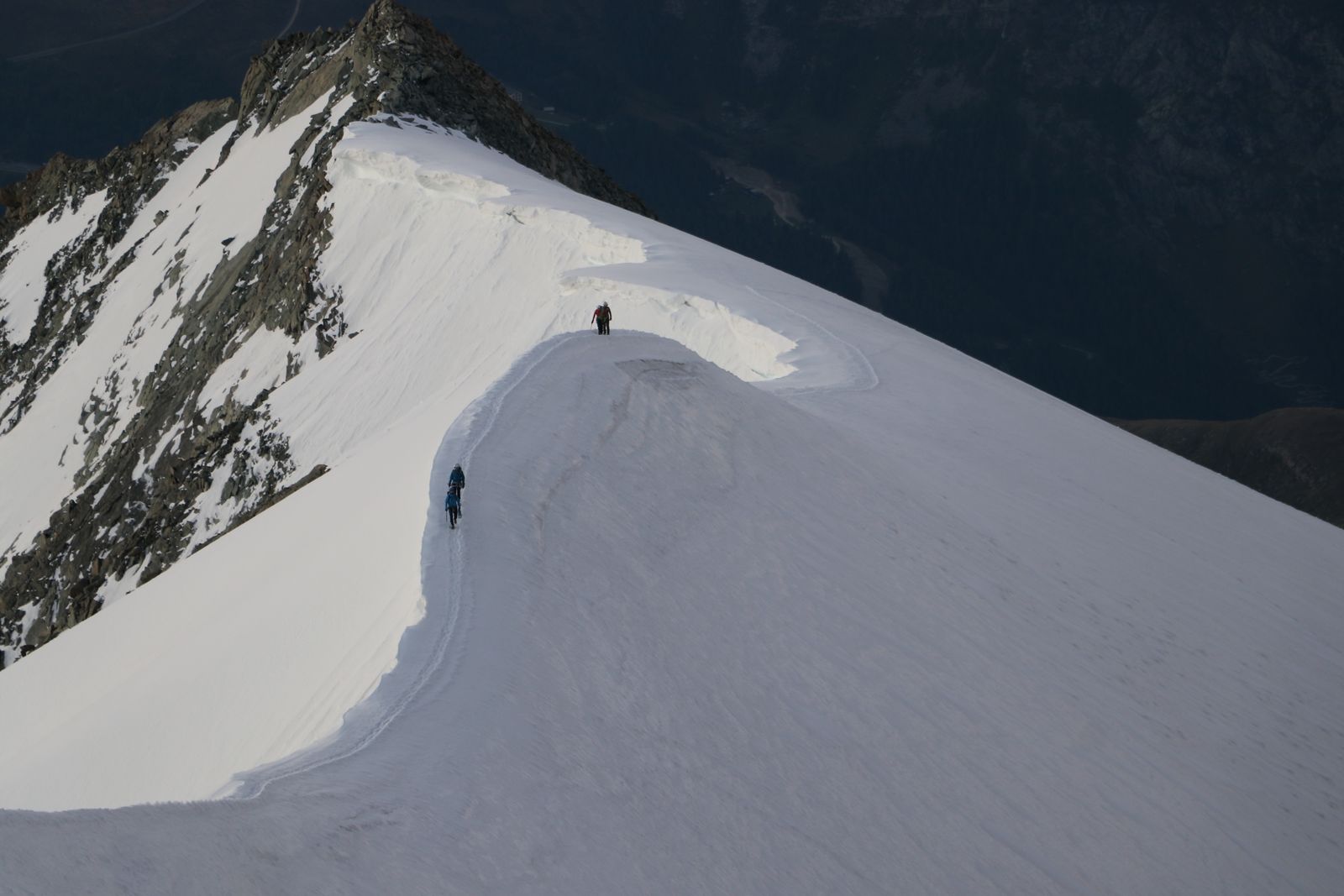
We'd rather tell you we're unsure than be wrong with a straight face. If you're heading out this weekend, start a brief, read the reasoning, and let us know where we missed. Every one of those notes makes the next brief better.

Written by
Elena Marsh
Co-founder & CEO. Former ski patroller, AIARE instructor.